
Wesak Day in Malaysia
Wesak Day is the holiest day in Buddhism, and an important religious holiday in Malaysia, celebrated by Buddhists across the country.
Observed on the full moon in May, it commemorates three significant events in the life of Siddhartha Gautama (aka Buddha): his birth, enlightenment, and passing into Nirvana. In Malaysia’s multicultural society, Wesak has become a meaningful occasion that fosters community bonding, reflection, and shared compassion for people of all backgrounds, making everyone feel included and connected.
» Click here to learn more about Buddha.
A day of compassion and reflection
Wesak (also spelled Vesak) traces its roots to ancient India over 2,500 years ago. The day honors the life and teachings of the Buddha, whose philosophy of mindfulness, compassion, and non-attachment continues to influence millions worldwide.
In Malaysia, Wesak Day was officially recognized as a public holiday in 1962, reflecting the country’s long-standing Buddhist heritage, particularly among Chinese, Thai, and Sri Lankan communities.
How Wesak Day is celebrated in Malaysia
Celebrations typically begin at dawn, when devotees gather at temples for prayers, meditation, and offerings of flowers and candles. They also usually participate in "bathing the Buddha,” pouring scented water over a statue of the infant Buddha to symbolize cleansing inner impurities and honoring his birth. It also purifies their bodies, speech, and minds, as they vow to cultivate good deeds and wisdom.
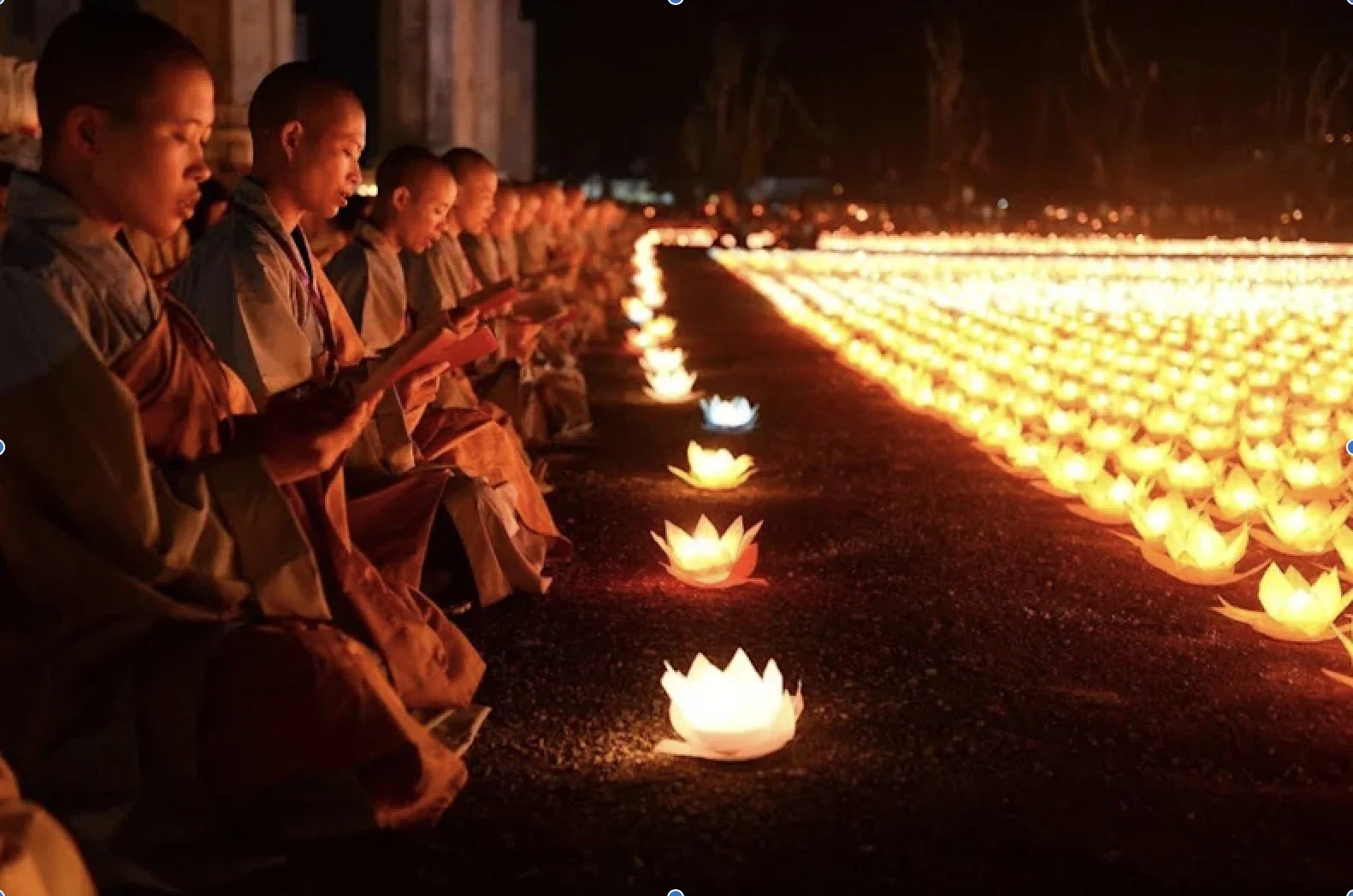
Some of the most vibrant celebrations take place at temples like Batu Caves near Kuala Lumpur and Kek Lok Si Temple, one of Southeast Asia’s largest Buddhist temples.
Acts of charity, such as donating food or releasing animals, are central to Wesak Day, inspiring feelings of kindness and compassion. In the evening, many communities hold candlelight processions, in which devotees walk together in peaceful reflection, creating a serene, visually stunning atmosphere that invites admiration and tranquility.
Things to do on Wesak Day
Even if you’re not Buddhist, Wesak Day still offers a unique opportunity to experience Malaysia’s cultural traditions and connect with the community.
Visit a Temple: Observe or respectfully participate in rituals at local temples. Many welcome visitors and provide insight into Buddhist practices.
Join a Procession: Evening parades with lanterns and candles are both serene and visually stunning.
Practice Giving: Acts of kindness, like donating to charity or volunteering, are central to the spirit of Wesak.
Explore Cultural Sites: Popular spots like Thean Hou Temple often host special decorations and events.
Reflect and Recharge: Many people use the day for quiet reflection, meditation, or simply slowing down.
At its core, Wesak Day is about cultivating kindness, gratitude, and mindfulness. In Malaysia, it stands as a beautiful example of how tradition and community come together, offering both spiritual meaning and a chance to connect with others.
Whether you spend the day at a temple, giving back, or simply learning something new, Wesak is a meaningful and enriching experience in the Malaysian calendar.